4-AcO-DMT
Original price was: $100.00.$53.00Current price is: $53.00.
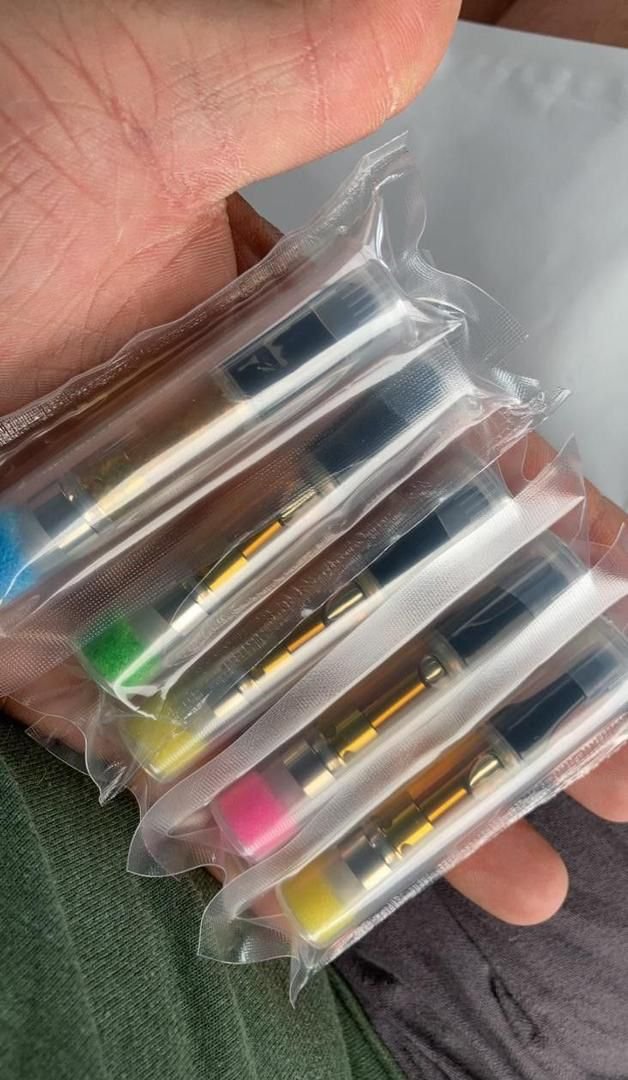
As a prodrug of psilocin, 4-AcO-DMT Carts is rapidly metabolized in the body to produce effects commonly described as comparable to those of natural psilocybin mushrooms, often with reports of a clearer, smoother onset and reduced physical side effects like nausea.
Description
4-AcO-DMT (4-Acetoxy-N,N-dimethyltryptamine) – Research Compound As a prodrug of psilocin, 4-AcO-DMT is rapidly metabolized in the body to produce effects commonly described as comparable to those of natural psilocybin mushrooms, often with reports of a clearer, smoother onset and reduced physical side effects like nausea.
First synthesized by David E. Nichols and colleagues as a more accessible alternative for scientific study, this compound has garnered significant interest in psychedelic research communities due to its pharmacological similarity to psilocybin while offering potential advantages in synthesis and stability.
4-AcO-DMT Key features often highlighted in research contexts:
- Tryptamine class psychedelic
- Acts primarily as a serotonin 5-HT2A receptor agonist
- Commonly studied in powder, fumarate, or hydrochloride form
- Frequently referenced alongside terms like synthetic shrooms, psilocin analogue, and novel tryptamine
For research and analytical purposes only. 4-AcO-DMT is not approved for human or veterinary consumption. Not intended to diagnose, treat, cure, or prevent any disease. Buyers must verify compliance with all applicable local, state, and federal regulations regarding research chemicals.